Meeting Your Nutrition Needs (While the World Is Crumbling)
By Elizabeth A. of Olive Branch Nutrition
Honestly, I had a really hard time sitting down to write this. It feels dishonest to act like things are normal right now. They’re not.
Society feels like it’s crumbling in real time, it’s all playing out on social media, yet we’re still somehow expected to function like everything is ‘normal’.
For folks in recovery from an eating disorder, this also means that in the midst of all the chaos, instability and uncertainty, we still need to get our nutrition needs met. Right now, thinking about food or planning meals feels like way too much. Most days I’m already using up all my energy just to regulate my nervous system.
So lately, my approach to food has been about just getting through the day. I’m using basic ingredients, cooking in large batches, freezing things ahead, and relying on foods my ancestors ate.
And that’s what I’m writing about today. The foods I’ve been leaning on. So here goes:
Barley
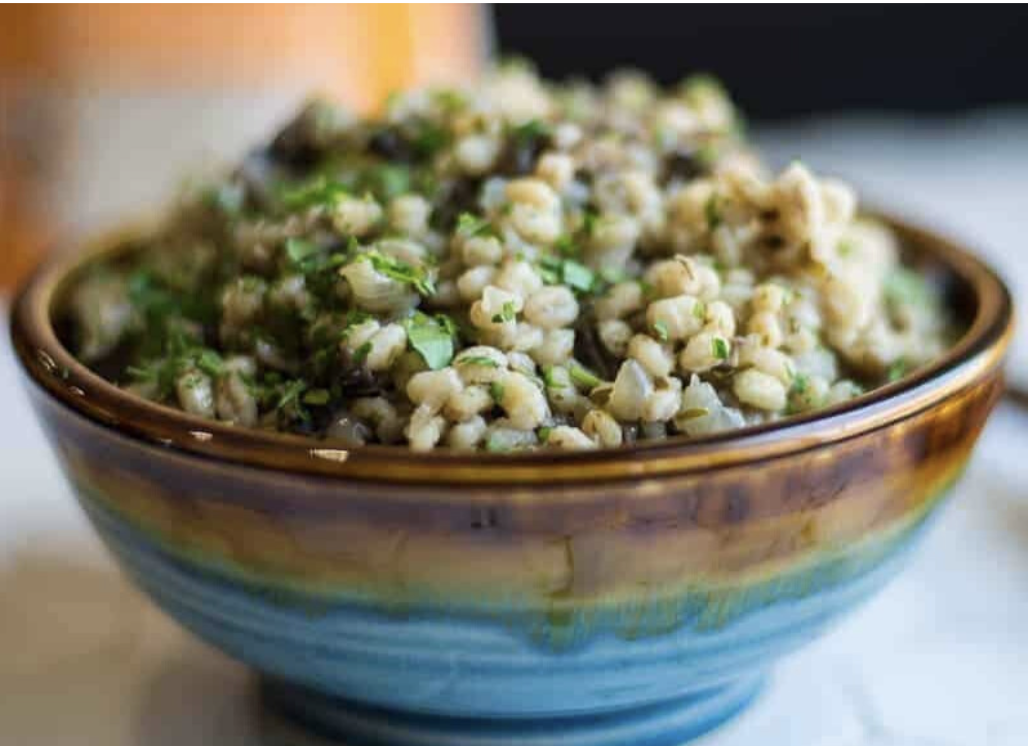
Photo credit www.foodologygeek.com
I recently learned barley is one of the oldest cultivated grains and has been eaten for thousands of years. It shows up in food traditions built around endurance and scarcity because it grows reliably and stores well.
Barley works for me because it’s filling and flexible. I make a big batch, freeze it in individual portions, and use it throughout the week.
How I use barley: if a recipe calls for quinoa, I almost always replace it with barley. It’s more affordable and feels way more satisfying to me.
Barley goes well with:
• Chickpeas
• Raita or Tzatziki
• White beans or any beans you like
• Frozen spinach or mixed vegetables
• Tomatoes, canned tomatoes, or tomato paste
• Eggs
• Any meat you have
• Roasted or sautéed vegetables
• Leftover soup or stew
Barley takes on bold flavors really well and works with things like miso, gochujang, harissa, and curry pastes.
Split Peas
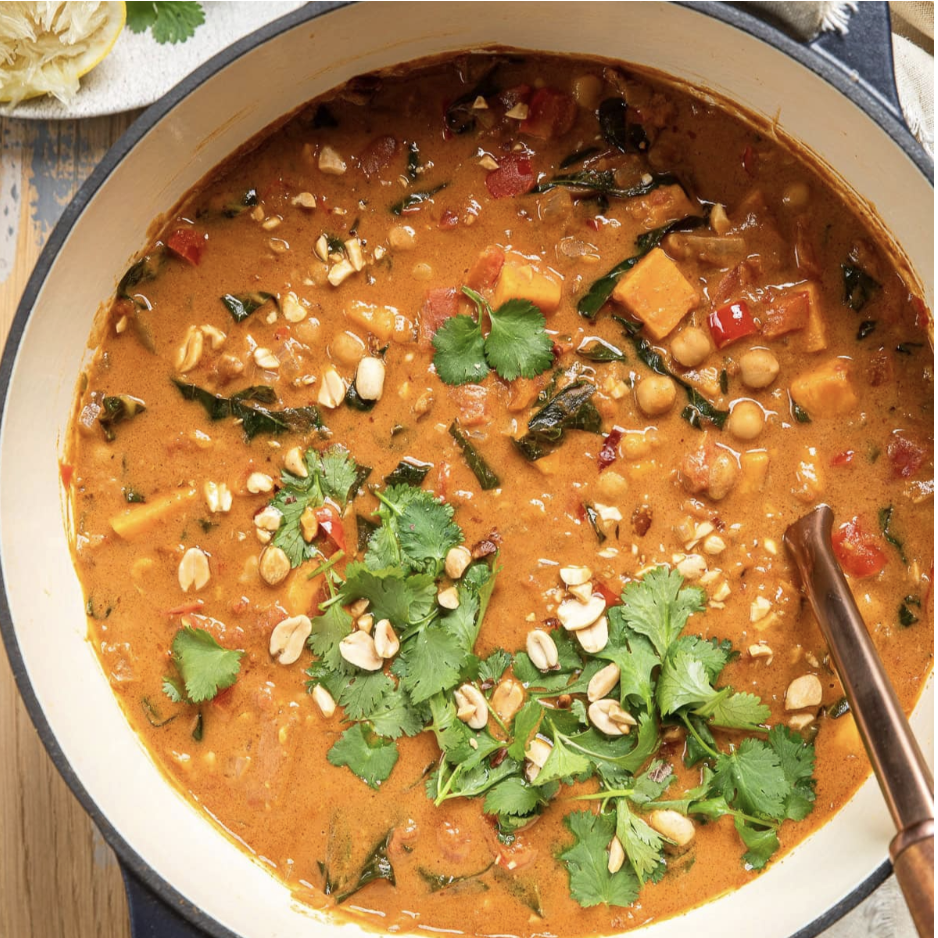
Photo credit makeitdairyfree.com
Split peas have been used in South Asia, the Caribbean, parts of Africa, and Northern Europe for centuries. They’ve lasted for a reason: they’re inexpensive, shelf-stable, and easy to cook in big batches.
I like them best cooked past the point of holding their shape.
How I use split peas: I’ve been adding them to my version of West African yam and peanut stew. My version usually includes split peas, lentils, chickpeas, yams, peanut butter, tomatoes, onions, and spices. But there are so many simple stew recipes where split peas work perfectly.
Split peas go well with:
• Rice
• Flatbread, roti, or toast
• Potatoes
• Carrots
• Cabbage
• Eggs
• Simple greens or frozen vegetables
• Stews
They pair well with berbere, Caribbean seasoning blends, Creole or Cajun seasoning, hot sauce, and pretty much any broth.
Grits
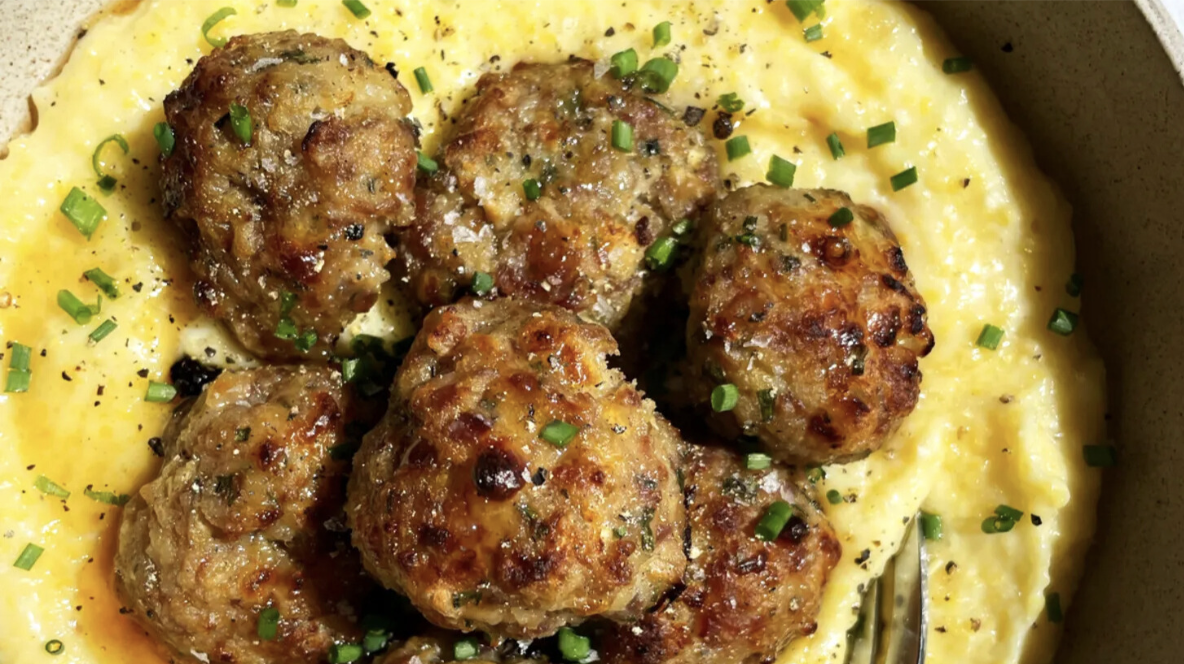
Photo credit www.thekitchn.com
Grits might be my favorite thing on this list. Seriously! They’re part of a much larger global tradition of ground corn dishes that show up wherever people need something filling, adaptable, and affordable. These dishes exist across Africa, the Americas, and parts of Europe. In the U.S., grits have been eaten for generations as a staple.
How I use grits: I love eating mine with sautéed onions, green and red bell peppers, garlic, spices, and any canned fish I have. Mackerel, sardines, and trout all work and taste great with grits.
Grits go great with:
• Eggs any way
• Cheese
• BBQ meatballs
• Canned fish
• Smoked turkey
• Red beans or other stewed beans
• Stewed tomatoes or tomato-based dishes
• Shrimp
• Shredded chicken
Condiments I love with grits include hot sauce, butter, Creole seasoning, black pepper, and salsa.
Cabbage
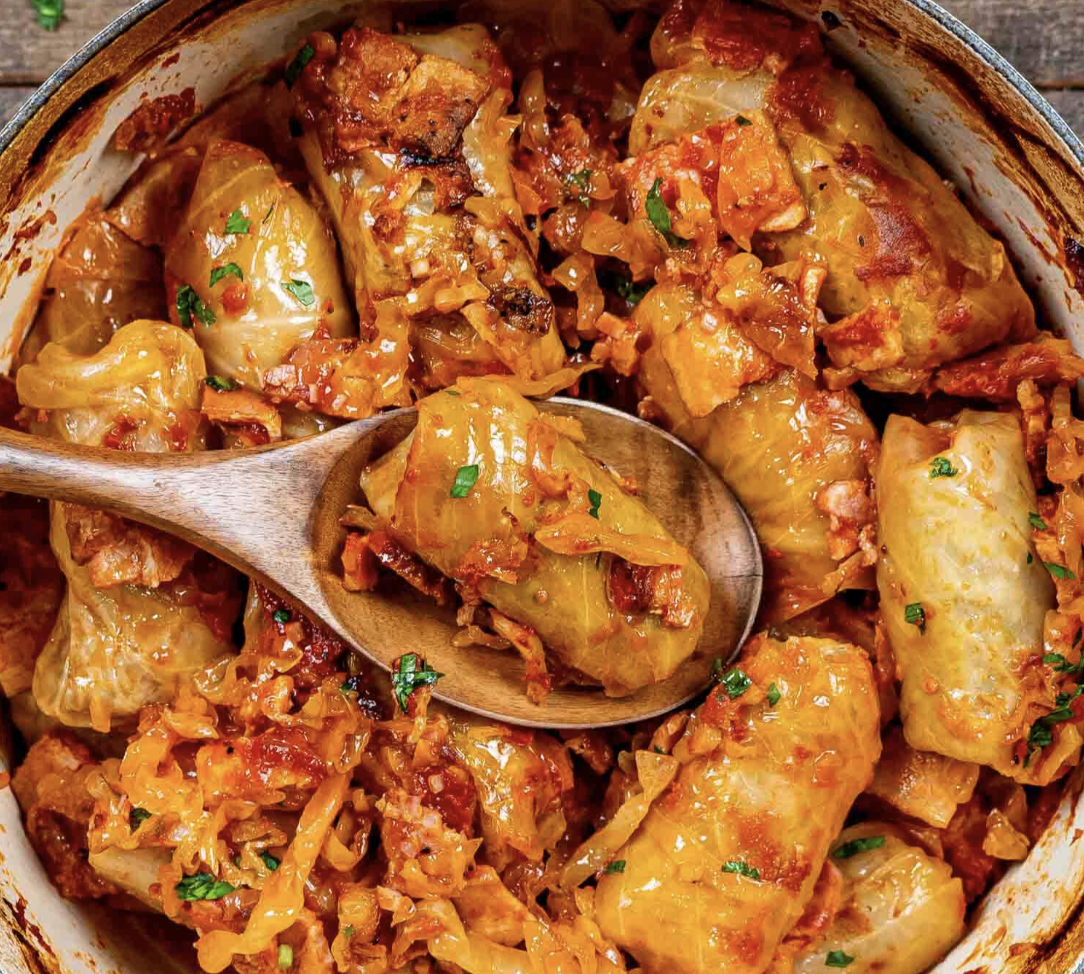
Photo credit www.jocooks.com
Cabbage deserves a special mention because it’s cheap and extremely versatile. You can eat it raw, steamed, sautéed, fried, or fermented. It’s especially helpful when you need something that adds volume and texture without much effort.
How I use cabbage: my favorite way is honestly just stuffing it with leftovers… literally any leftovers. I cook the leaves and use them like wraps. Leftovers like chicken and rice, salmon and rice, ratatouille, stews, all of them work.
Cabbage goes well with:
• Peanut-based dishes
• Dumplings or pierogis
• Stir-fried rice
• Simple pancakes or fritters
• Fermented cabbage
• Stuffed dishes
• Corned beef
Seasonings and condiments that work well include soy sauce, chili crisp, mustard seeds, cumin seeds, and simple pickling brine.
Savory Oats
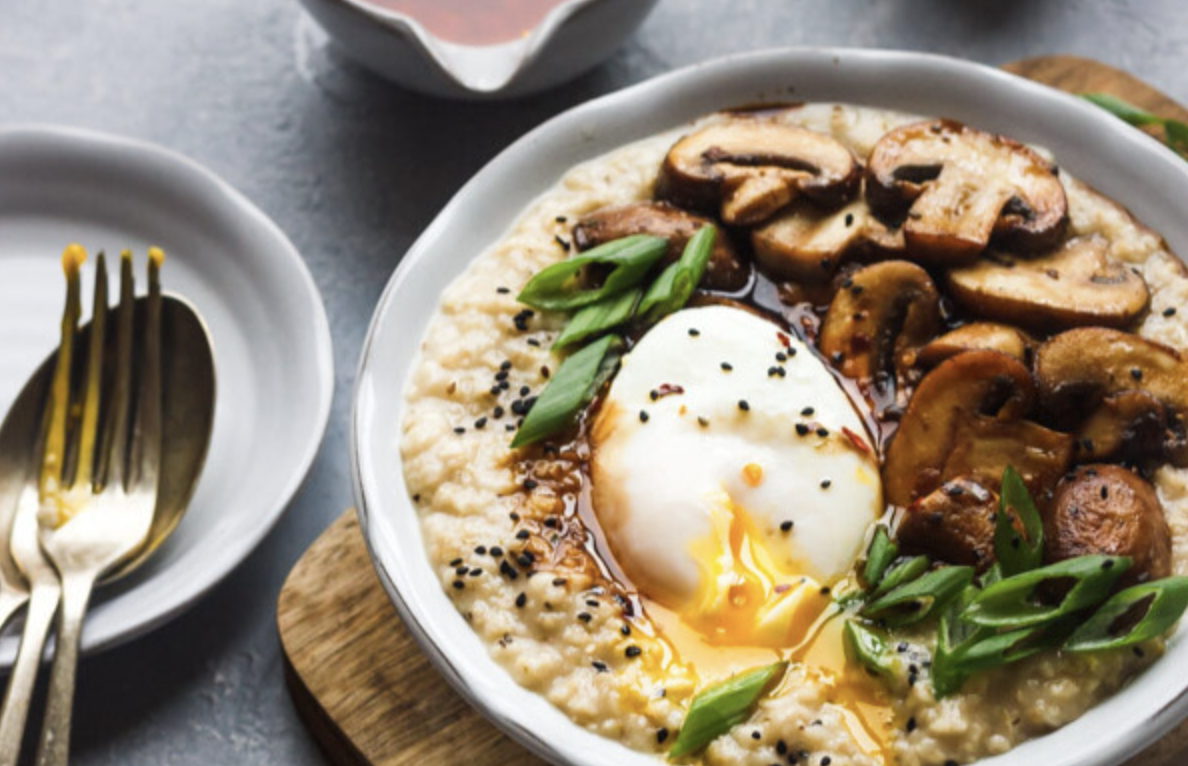
Photo credit www.loveandotherspices.com
I love some savory oats. They don’t just come from one specific place. They show up wherever oats are a staple grain. Before oats were marketed only as sweet breakfast food, savory preparations made a lot of sense, especially when sugar was expensive or unavailable.
How I use savory oats: my favorite version is with tempeh and teriyaki sauce. I slice my tempeh, coat it with oil, bake it, toss it in teriyaki sauce, then add it to my oatmeal along with whatever else I have around.
Savory oats go well with:
• Leftover rotisserie chicken
• Ground meat
• Fried eggs
• Tempeh
• Tofu
• Feta
• Smoked salmon
• Any squash
• Toasted nuts and seeds
Condiments that work well include soy sauce or tamari, hot sauce, chili crisp, miso, black pepper, olive oil, tahini, pickled onions, pickled jalapeños, harissa, and gochujang.
And Finally, how I’m getting through it all
As you can see when it comes to food, I’ve gone back to basics. None of the items I listed are revolutionary, and I think that’s exactly why they work. When I don’t have the capacity to think deeply about food, the classics carry me. Big pots of stew. Shelf-stable grains. Foods that last, fill me up, and don’t require constant decisions.
Preparing food this way has given me back a small amount of capacity. And when capacity is being drained everywhere else, that matters.
I also truly believe that the only way any of us get through this period of time is through shared resources and community care. Food pantries, mutual aid networks, and community fridges are all things I and many folks I know are using right now.
And if you are using these resources too, congratulations on getting through another day.
Sending a virtual hug and lots of love to everyone in this fight.
Elizabeth